The traditional B2B sales floor is undergoing a massive architectural shift. In the next five years, revenue teams will no longer rely on brute-force manual outreach; they will be powered by AI-native infrastructure.
This is the technical blueprint of an AI-driven sales department. It is built on a framework of 12 specialized agents, 60+ real-world tools, one shared context layer, and a central orchestrator. By dissecting this system, we can see exactly how the future of sales moves from static lists to dynamic, autonomous loops.
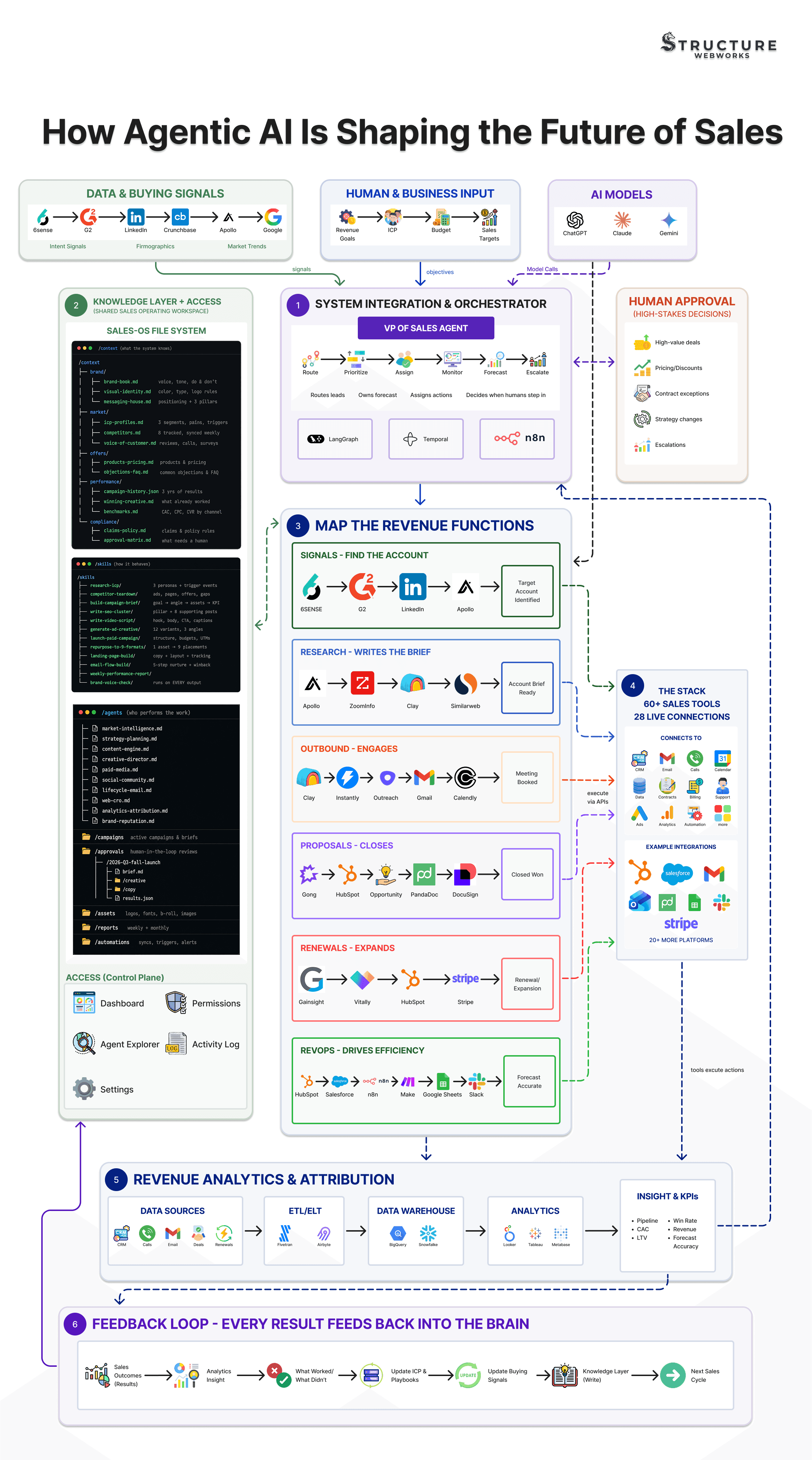
1. The Stack & Knowledge Layer (The Brain and The Muscle)
The biggest misconception about AI in sales is that it requires ripping out your existing software. This architecture does not replace your stack; it runs your stack.
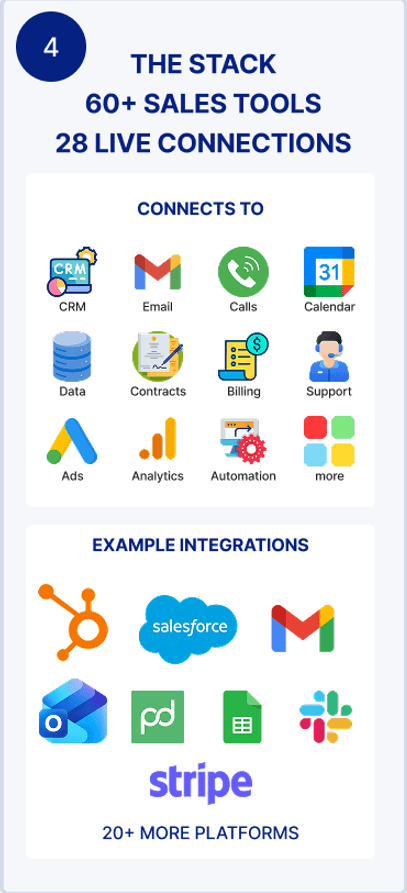
- The Live Stack: The system operates directly within platforms like HubSpot, Apollo, Clay, Gong, Instantly, and PandaDoc through 28 live API connections using real credentials. This active integration is the dividing line between a basic AI chatbot that suggests a workflow and an agentic system that actually books the meeting.
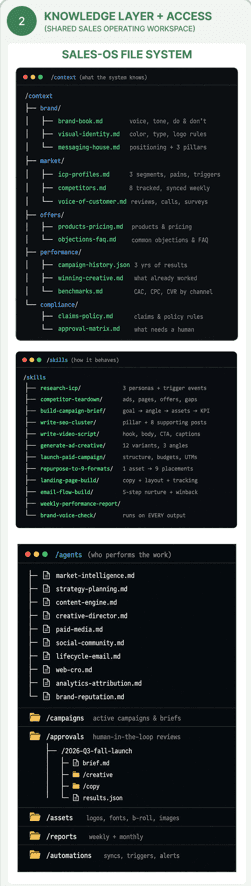
- The Knowledge Layer: Before any agent takes action, it reads from a centralized "Sales-OS File System." This folder holds the firm’s Ideal Customer Profile (ICP), pricing models, objection handling rubrics, and the historical data of every deal won and lost.
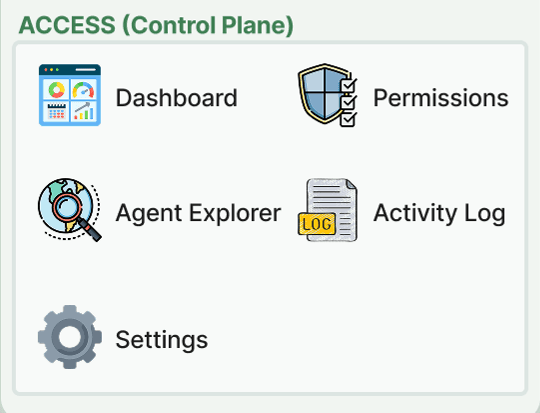
- The Access Plane: Despite the complex backend, the user interface remains a simple dashboard. This ensures that a sales rep who has never opened a developer terminal can easily manage and deploy the entire autonomous department.
2. Mapping the Revenue Functions (The Execution Loop)
You cannot successfully automate a job title (like an SDR or AE). Instead, this architecture breaks those titles down into individual operational jobs. Eight traditional seats are rebuilt into 12 highly specialized agents operating in a continuous loop:
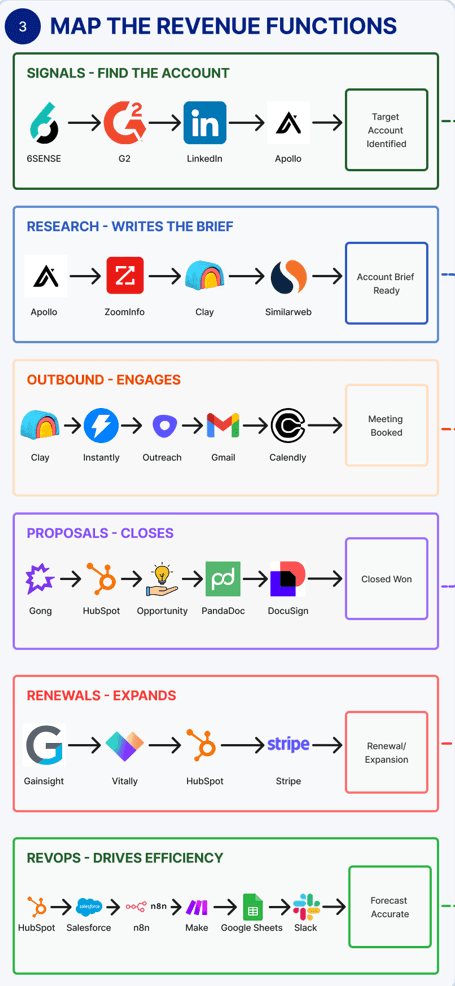
- Signals (Find the Account): Agents constantly monitor platforms like G2, LinkedIn, and Apollo. Unlike humans, an AI agent can instantly capture and process a crucial buying signal at 3:00 AM.
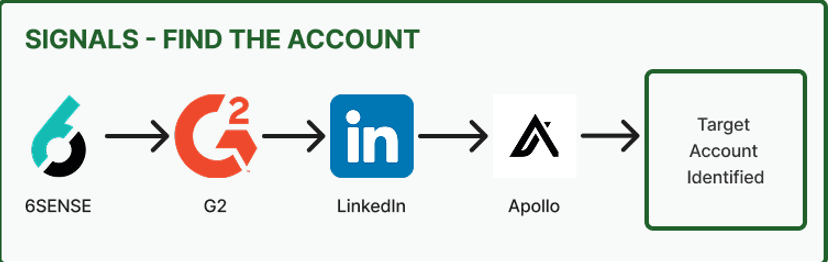
- Research (Writes the Brief): Before reaching out, agents scrape data via Apollo, ZoomInfo, and Clay to build a highly personalized account brief.
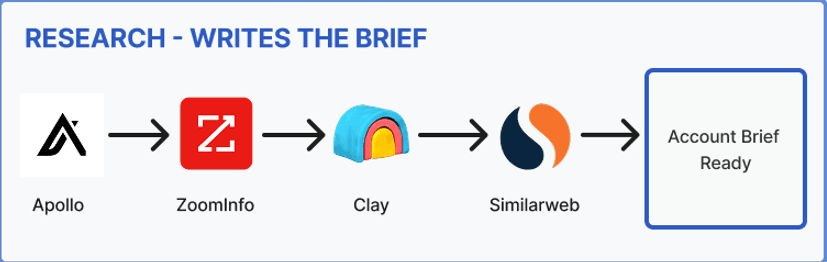
- Outbound (Engages): Agents deploy the contextually relevant messaging across email and social channels.
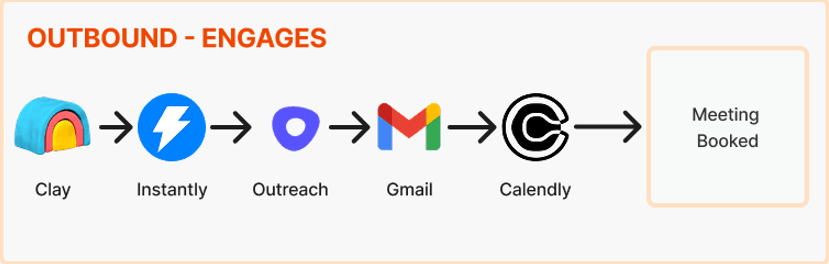
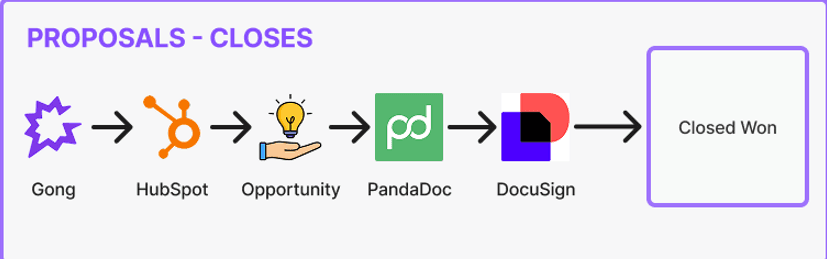
- Proposals (Closes): When intent is shown, the system integrates with Gong and PandaDoc to draft contracts and structure pricing.
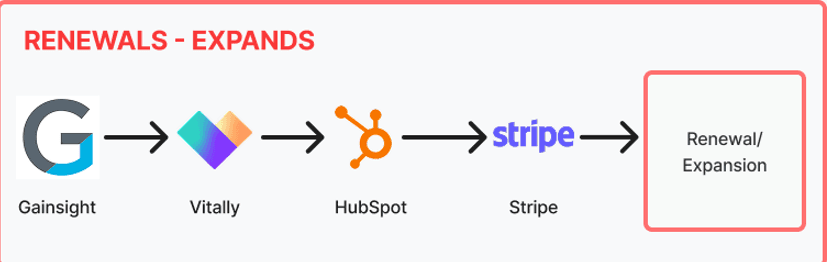
- Renewals (Expands): Post-sale agents monitor usage via Stripe and CRM data to automatically trigger expansion workflows.
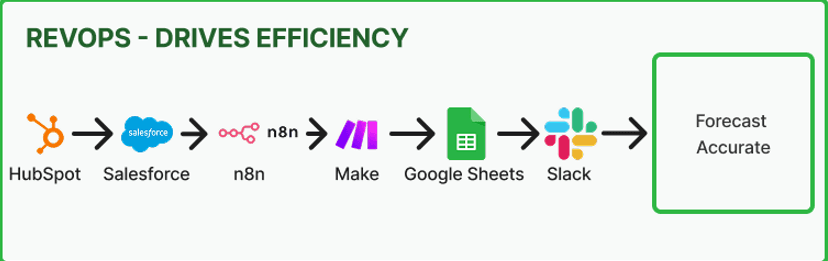
- RevOps (Drives Efficiency): A dedicated layer ensures CRM hygiene, data warehousing, and strict revenue attribution. Every single result—whether a win or a loss—feeds directly back into the Knowledge Layer to make the next cycle smarter.
3. System Integration & The Orchestrator
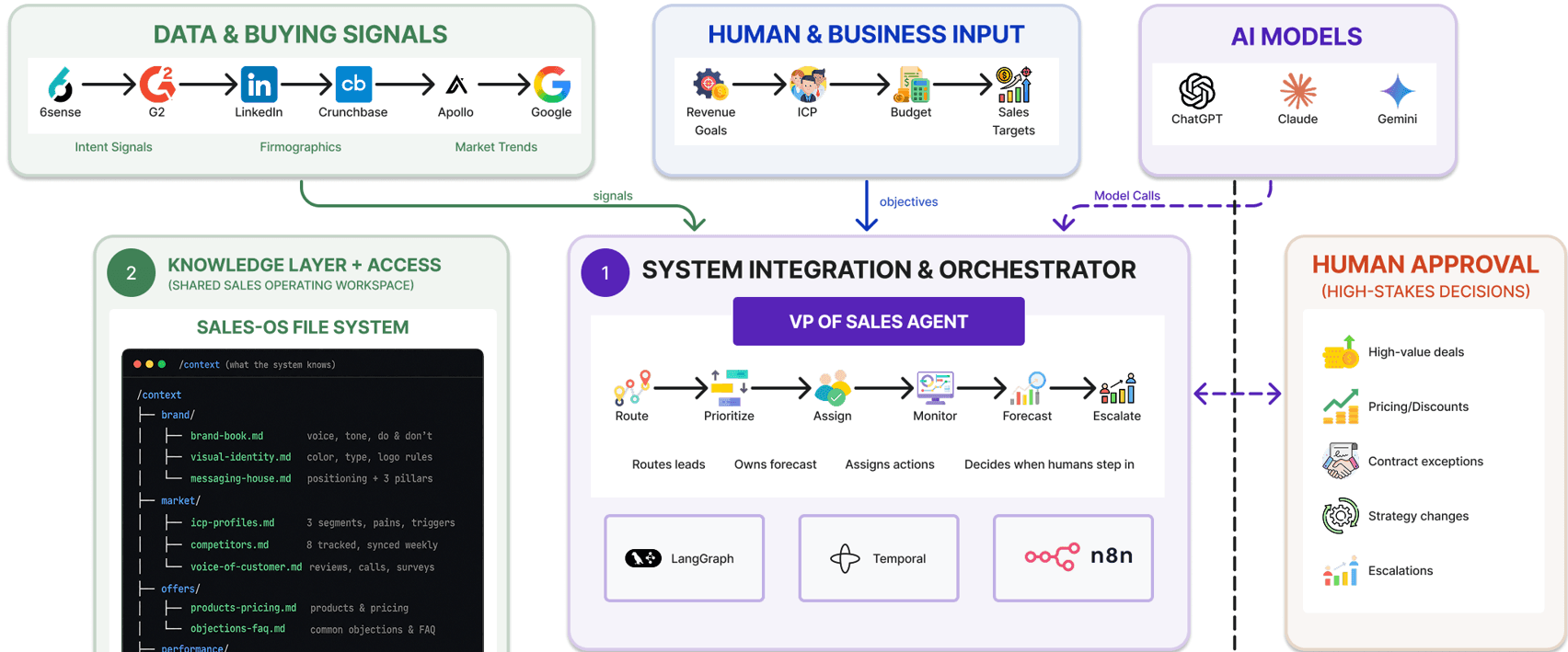
How do 12 autonomous agents work together without creating chaos? They are governed by a central VP of Sales Agent.
Acting as the master orchestrator, this agent routes inbound and outbound leads, owns the pipeline forecast, and assigns specific actions to the subordinate modules. Most importantly, it serves as the ultimate gatekeeper for Human Approval.
The AI seamlessly handles the grueling groundwork: deep research, signal monitoring, relentless follow-up, and CRM data entry. However, when it detects a high-stakes scenario—such as a complex pricing negotiation or a key enterprise close—the orchestrator pauses the automated loop and flags a human leader to step in and make the final decision.
Conclusion
The future of sales is not about hiring more reps to send more generic emails. It is about building an intelligent, interconnected pipeline. By mapping revenue functions to specialized AI agents and orchestrating them through a single shared brain, businesses can execute outbound strategies with machine-level scale and human-level precision.