Say you sell clothes online. You have the products, you have the website, but nobody is finding you. You Google your own stuff and there you are, page five, behind three other stores selling basically the same thing. That is not a "just post more" problem. It's that you don't know what people are actually typing to find products like yours, or what your competitors are doing that you aren't. An AI marketing system closes that gap, and it does it as a loop, not a one-off task. Below is how it works, written for two audiences at once: the store owner who wants to know what it does, and the engineering team that needs to know how it's built.
Step 1: Research that tells you what to go after
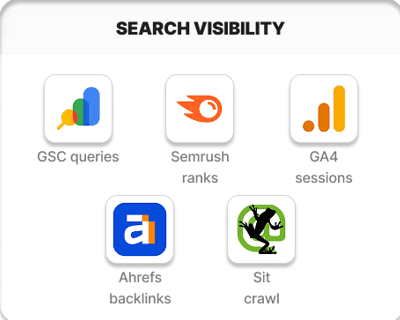
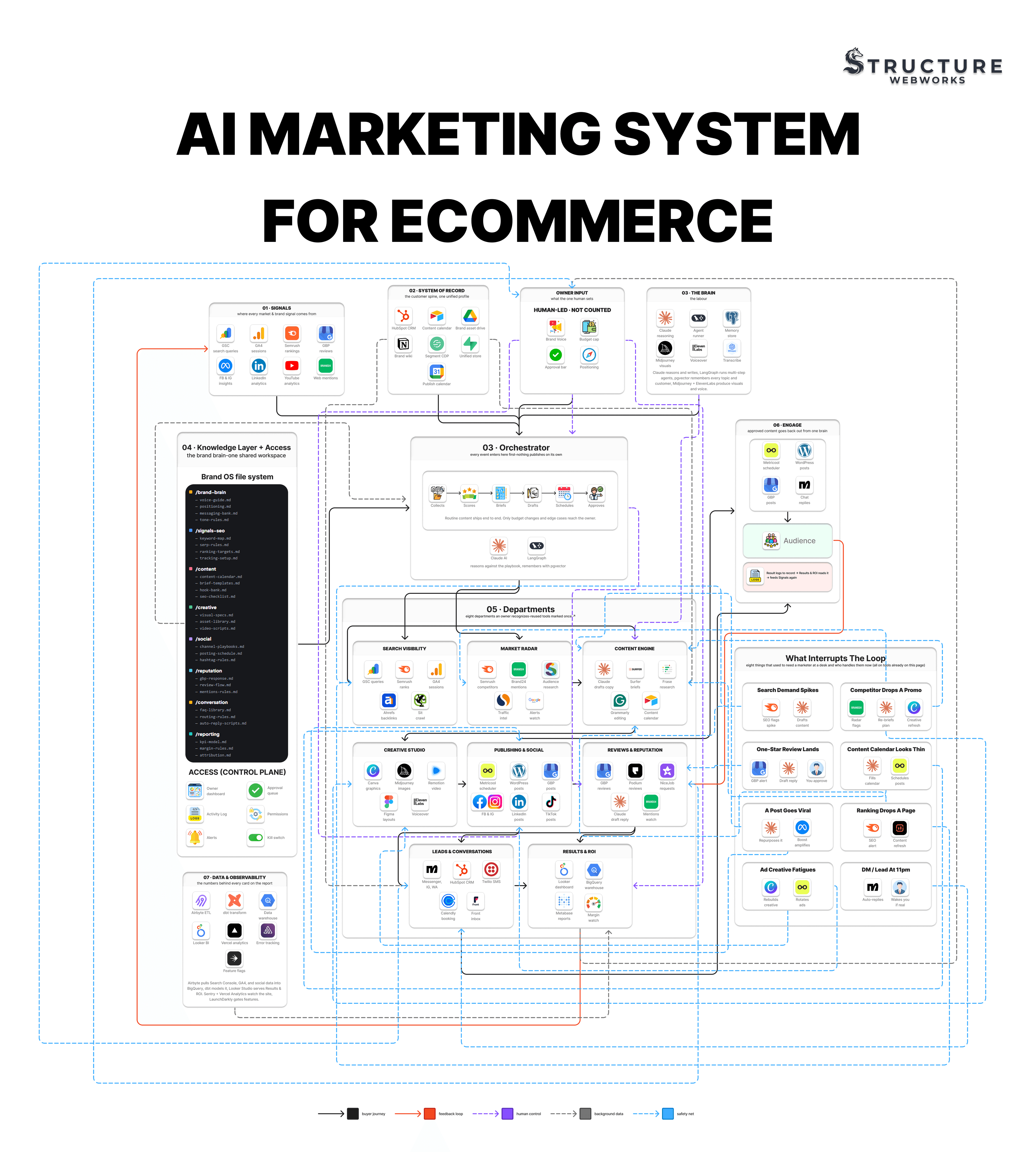
A research agent handles the guessing for you, every single day. It's out there checking what people are actually searching, what competitors are ranking for, and where the real demand is. So instead of guessing, you know what to target.
How it's built: the Research and Intelligence layer runs Semrush and SparkToro for keyword and audience research, competitor rank tracking, and trend detection, then synthesizes the signal into a plain keyword and demand map. That map is written to a shared knowledge file the rest of the system reads from.
Step 2: Content and creative that match what people want
Here is the next problem. Your product page doesn't say any of that. It's a photo and a price tag, nothing that matches what buyers actually want to hear. And the photo is a shirt on a hanger. The content and creative layer rebuilds all of it: real listings written around what people are searching for, and it can even generate a model wearing the product, no photoshoot, no studio, while keeping everything accurate to the real item.
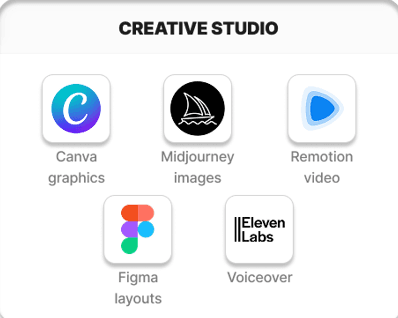
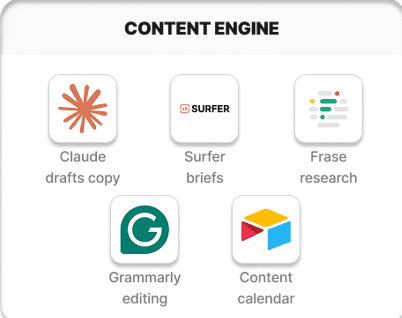
How it's built: the Content Engine drafts listing copy with Claude against the keyword map, runs an on-page SEO score, and produces variations. The Creative Studio generates product imagery and on-model visuals with tools like Midjourney, plus layouts and graphics. A brand-accuracy rule keeps generated visuals true to the real product before anything goes live.
Step 3: Ad budget that follows what's working
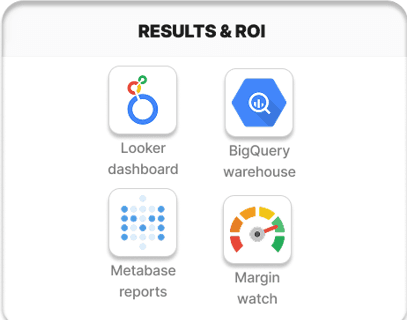
Traffic starts rolling in, but you're running ads too, and the budget is spread thin across everything. Some working, some not, and you can't tell which fast enough to act. Every morning, before you're up, the system checks how every channel did overnight and moves the money toward what's actually working. Every day, not once a month.
How it's built: the Analytics and Optimization layer pulls channel performance into a warehouse, reads conversion by source, and reallocates spend on a daily cycle. Reporting runs through Looker Studio so the decision is traceable to the numbers behind it.
Step 4: Follow-up that recovers the almost-buyers
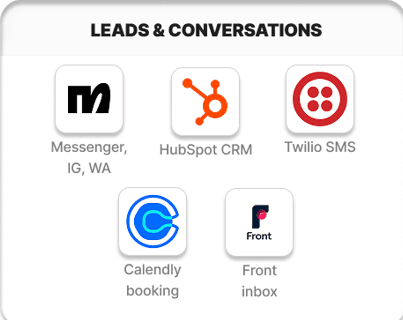
People are clicking and landing somewhere that makes sense for them, but some still bounce without buying. Normal. So the system follows up: a text, an email, the right timing, a small nudge to the ones who were this close.
How it's built: the Audience and Email layer captures the visitor, then triggers a timed follow-up sequence over email and SMS through automation and a CRM, each message written in the brand voice. Nothing waits for someone to remember to send it.
The loop, end to end
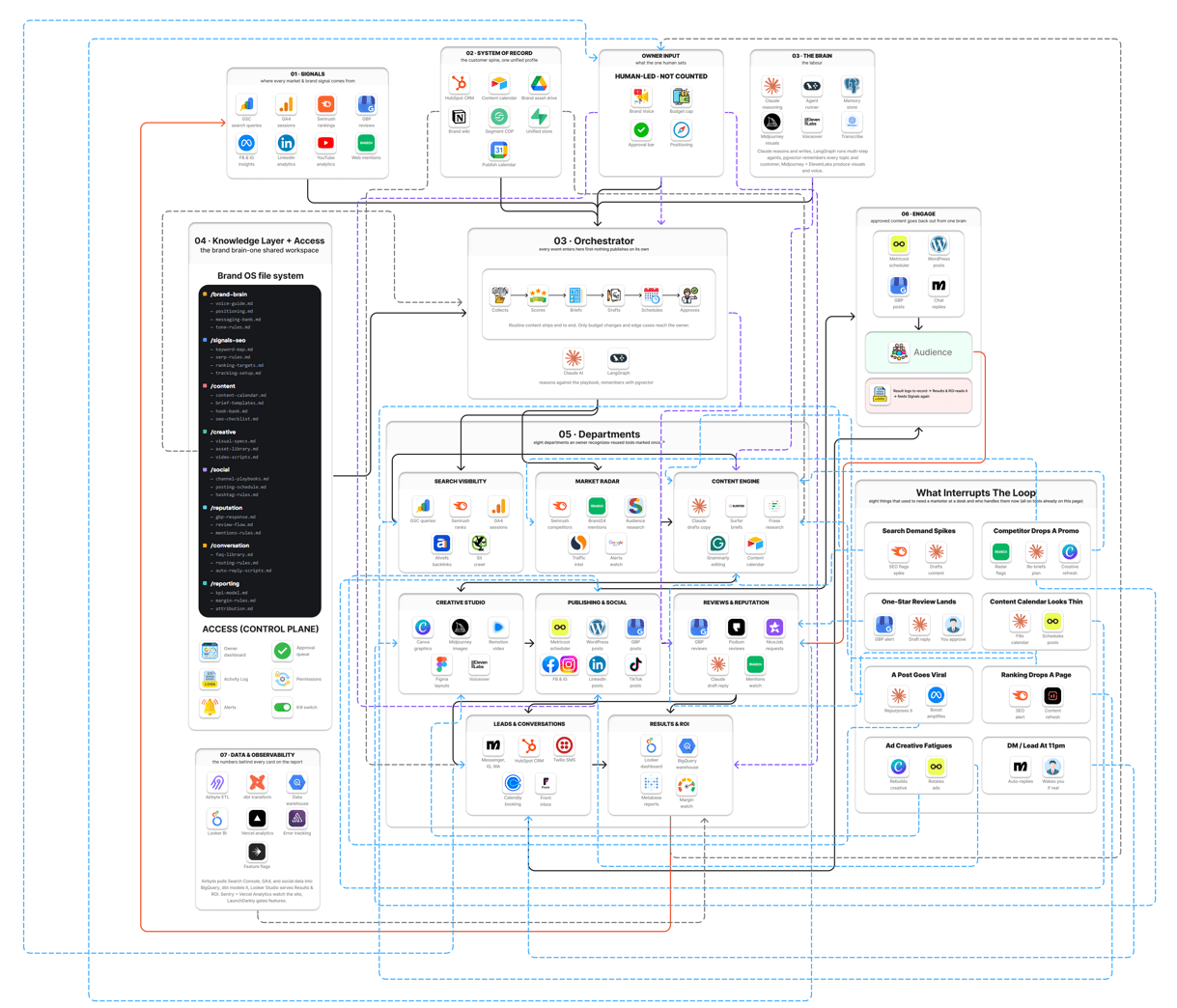
That's the whole loop. Someone finds you instead of your competitor, and gets walked all the way to hitting buy. And this is only the tip of it. The same system also handles reviews, wins back old customers, and reports on everything, all reading from and writing to one shared brain so each step makes the next one smarter.
Why this matters for ecommerce
The store owner still owns the brand and the budget. Everything between "nobody can find you" and "they hit buy" runs on its own. That is the real shift, and it's an architecture decision, not another plugin: separate the work that scales infinitely (research, listings, creative, budget reallocation, follow-up) from the small set of calls a person should always own. Get that boundary right, and a small store competes with the ones sitting above it on page one, with a loop that gets sharper every week.